Bonnie Blue: The Troubling Pattern of Alleged Pregnancy Hoaxes and Fan Outcry
In the often-controversial world of online adult content, few names spark as much debate as Bonnie Blue, real name Tia Billinger. Known for her provocative stunts and boundary-pushing content, Blue has once again ignited a firestorm of speculation after a recent pregnancy announcement. However, for many discerning followers, this isn't a joyous revelation but rather another chapter in a history of alleged deception. The internet is abuzz as bonnie blue fans expose what they claim is undeniable evidence of a staged pregnancy, fueling a broader conversation about authenticity, ethical content creation, and the blurred lines of online reality.
This isn't the first time Blue has faced accusations of faking a pregnancy. Her latest claims have been met with immediate skepticism, drawing on a contentious past that has seen her generate immense viral attention, often at the cost of credibility. As we delve into the details, it becomes clear that this unfolding drama is more than just a personal scandal; it reflects a growing concern among audiences about the integrity of digital personalities and the impact of extreme clickbait.
The Latest Alleged Pregnancy: A Closer Look at the 'Prosthetic Bump' Evidence
The saga began in February when Bonnie Blue made a shocking announcement following what she termed a "breeding session." This event, held at a luxurious London mansion owned by convicted fraudster Lord Davenport, reportedly involved her sleeping with 400 men. This opulent location was previously the site of her widely publicized "world record" of sleeping with over 1,000 men. Just weeks after this extraordinary event, Blue declared her pregnancy, sharing an image of herself next to a figure in a blue balaclava, supposedly a doctor conducting an ultrasound.
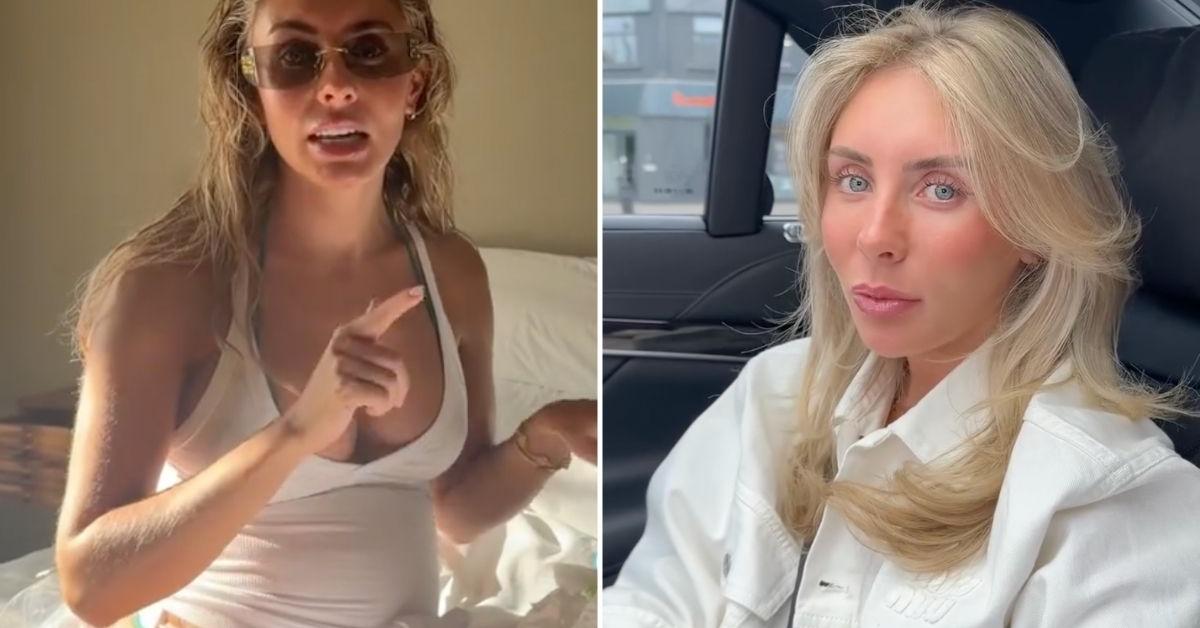
The initial shock soon gave way to disbelief. Two weeks later, while in Mexico for Spring Break, Blue shared a video discussing her alleged pregnancy from her hotel room, clad in a green bikini. It was here that eagle-eyed viewers on TikTok began to notice inconsistencies. As Blue spoke excitedly about her impending motherhood – even making comments about taking teens' virginity before becoming a mum – followers zoomed in on her abdomen. What they saw sparked a frenzy of accusations.
A distinct section above her bikini bottoms' waistband appeared to be made of silicone, conspicuously crinkling as she bent over. Many pointed out that the 'bump' seemed to be attached to a belt fastened around her waist, suggesting a prosthetic. Comments quickly flooded in, with one person writing, “Anyone notice the fake baby bump??” alongside a screenshot. Others swiftly agreed: “I did,” and “OMG I didn’t spot it. Thank God.” This compelling visual evidence has led many to believe that the entire pregnancy announcement is a calculated wind-up designed for maximum attention. For a detailed breakdown of the visual evidence, see our related article: Bonnie Blue Pregnancy Hoax: Fans Expose 'Prosthetic Bump' Evidence.
Adding to the skepticism is the complete silence from any of the hundreds of men who participated in the "breeding session." So far, none have come forward to claim paternity or even acknowledge the alleged pregnancy, leaving the entire announcement shrouded in doubt and reinforcing the notion among many that this is simply another elaborate hoax.
A Recurring Pattern: Bonnie Blue's History of Pregnancy Allegations
The current controversy is not an isolated incident; it’s a striking echo of past events. Bonnie Blue faced similar accusations just last year following her infamous "1,001 man sex stunt." At the time, she allowed speculation about a pregnancy to run rampant among her fanbase, only to later backtrack. She vehemently insisted, “I have never confirmed I was pregnant because I would never, ever lie about pregnancy… (it’s a) step too far.”
This previous denial makes her current actions particularly bewildering to many. Her strong stance against faking pregnancy in the past now stands in stark contrast to the compelling evidence suggesting a prosthetic bump in her recent video. The backlash from her 2023 stunt was significant, with many distressed women expressing their outrage. They criticized her for trivializing a deeply sensitive issue, especially for couples struggling with infertility. Comments like, “Respectfully, this is just an all time low and is actually disgusting. There are couples out there who genuinely deserve a child, try for a child for years and years and cannot fall pregnant and you are out here just playing f*** around and find out?” highlight the profound ethical concerns her actions raise.
This history reveals a pattern: Blue leverages extreme scenarios for viral attention, often involving highly personal and emotionally charged themes like pregnancy, only to later deny or retract, leaving a trail of confusion and ethical questions. It forces audiences to constantly question the veracity of her content and whether any line is truly sacred in her pursuit of online notoriety.
The Broader Repercussions: Tarnishing the Creator Image and Ethical Boundaries
Bonnie Blue's controversial content has drawn criticism not only from her audience but also from within the adult content creator community. OnlyFans star Sophie Rain, for instance, has been vocal about the damage Blue's actions inflict on the wider industry. In a podcast appearance, Rain stated, “I personally think that she is tarnishing a lot of the image because what she’s doing is like really insane.” Rain specifically called out Blue for creating "clickbait content" that undermines the credibility of other creators.
Sophie Rain emphasized that such extreme and potentially deceptive behavior makes it harder for legitimate creators to be taken seriously. “Brands don’t take us seriously anymore,” she explained. “Media doesn’t take us seriously. I’m tired of having to explain that not all of us are doing circus acts for clicks.” Blue's pattern of stunts, which also includes faked arrests, has led to her being banned from OnlyFans for violating terms of service related to "extreme challenges," prompting her shift to Fansly. This highlights the platform's struggle to maintain content standards in the face of creators pushing the boundaries for engagement. To learn more about Sophie Rain's perspective, read our article: Sophie Rain Slams Bonnie Blue: Tarnishing OnlyFans Creators?.
The ongoing saga raises critical questions about the ethical responsibilities of content creators. When the pursuit of virality overshadows truth and basic human decency, it not only impacts the individual creator but casts a shadow over an entire industry. It forces platforms to constantly re-evaluate their guidelines and consider the broader societal implications of the content they host.
Understanding the Phenomenon: Why Audiences React So Strongly
The intense scrutiny and strong reactions from bonnie blue fans expose a complex dynamic between creators and their audiences in the digital age. While some followers might be drawn to shock value, there's a significant segment that still expects a degree of authenticity, especially when personal topics like pregnancy are involved. The outrage isn't just about a potential lie; it's about the perceived manipulation and disrespect for deeply held societal values.
The psychology behind such content often revolves around the desire for extreme engagement. Controversy sells, and the more outrageous the claim, the more likely it is to be shared, discussed, and dissected. However, this strategy carries significant risks. When trust is broken, the audience can turn from passive consumers into active investigators, eager to debunk the narrative. This phenomenon underscores the importance of media literacy and critical thinking when consuming online content. Here are some tips for navigating potentially deceptive online narratives:
- Question Everything: Don't take sensational claims at face value, especially from creators known for controversy.
- Look for Evidence: Seek out corroborating evidence or lack thereof. Is the information coming from reliable sources?
- Examine Body Language and Visuals: As seen with the "prosthetic bump," visual cues can often tell a different story.
- Consider the Creator's History: A pattern of attention-seeking behavior or hoaxes is a major red flag.
- Understand Motivations: Why would someone make such a claim? Is it for clicks, money, or genuine announcement?
For many, the anger stems from the emotional weight of pregnancy. It's a journey often fraught with hope, anxiety, and profound personal significance. To use it as a tool for "clickbait" feels deeply insensitive and exploitative, leading to a strong moral backlash from those who value integrity and empathy.
Conclusion
Bonnie Blue's recurring alleged pregnancy hoaxes serve as a stark reminder of the volatile nature of online fame and the ethical tightrope walked by content creators. While some may view these stunts as harmless provocations, the passionate reactions from bonnie blue fans expose a deeper desire for authenticity and respect in the digital sphere. The implications extend beyond individual drama, influencing the reputation of entire platforms and the public perception of creators striving for genuine connection. As the lines between reality and performance continue to blur online, the saga of Bonnie Blue underscores the increasing demand for transparency, the potential for audience backlash against perceived deception, and the critical importance of ethical considerations in the pursuit of viral attention.